WILD Tibetan Dark Tea
14,00 € – 91,00 €
A crowd favorite Tibetan Tea, due to it’s mochi-like smoothness, which comes from being steamed in Reed leaf water.
CULTIVAR: Old Sichuan Native Species
ORIGIN: Xiao Wang, Mt.Zhougong, Yaán, Sichuan, China
PICKING: 2022, > 1700m altitude
PROCESSING: 32 tibetan dark tea process steps, post fermented
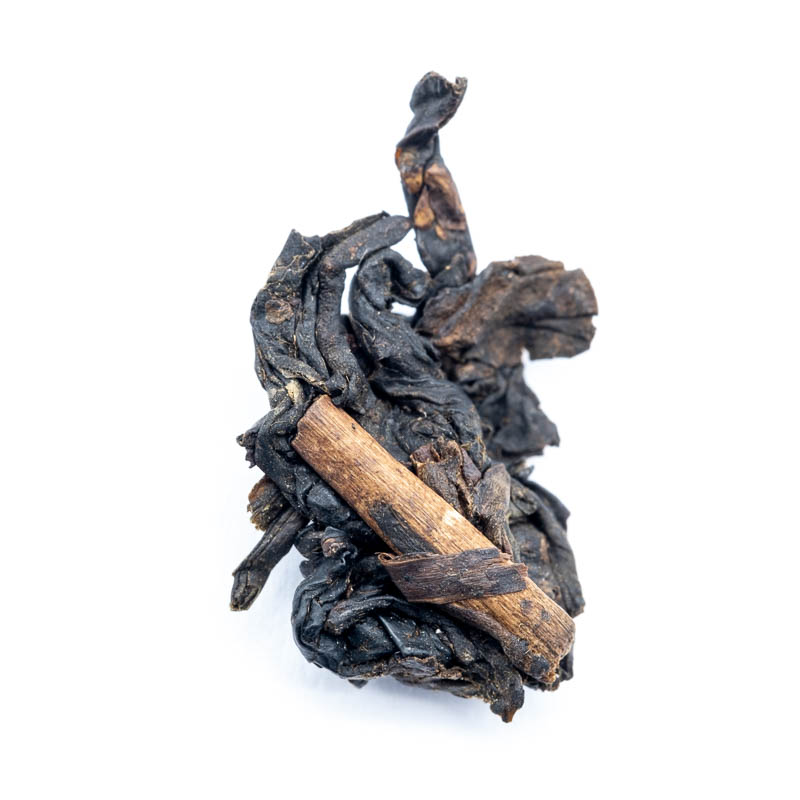
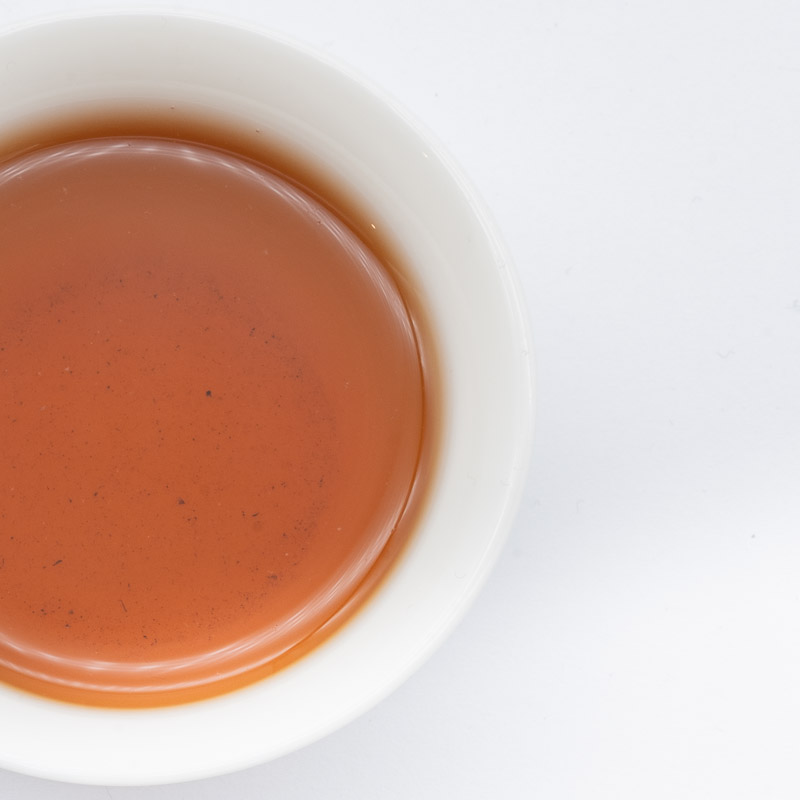
TASTING NOTES: cacao nibs, raisins, macadamia nuts
Description
About Tibetan Dark Tea
Before Liu Bao and looonng before Shu Puer, Zang Cha or Tibetan Dark Tea is considered by many as the original full oxidized Heicha. The name is a bit misleading, as the tea has long been a traded commodity on the Tea Horse Road to Tibet, but the tea itself is grown and produced in Sichuan – in Yaán the region where Tea as a plant was first cultivated.
Zang Cha is steeped in over 1300 years of history and is even designated as a National Intangible Cultural Heritage, yet it’s quite unknown in the west, as the vast majority of the tea is still exported to Tibet. Also since this tea has historically been boiled so the blends that are sold abroad are typically not suited for the Gong Fu style of brewing. However within China there’s a growing population of people who appreciate productions using Wild-growing and finer leaf material, pushing producers to start creating teas for this burgeoning market.
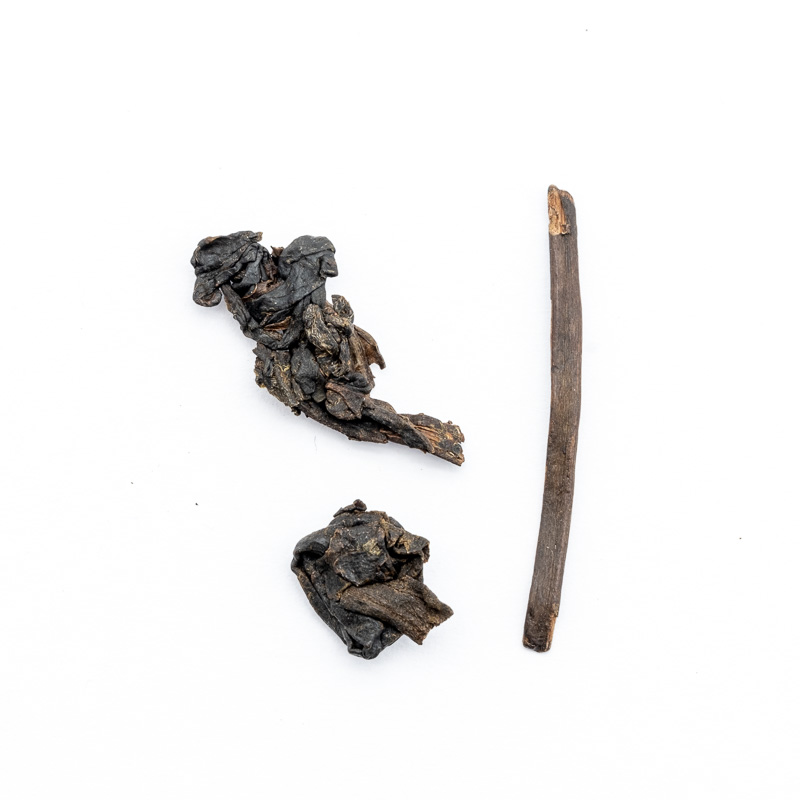
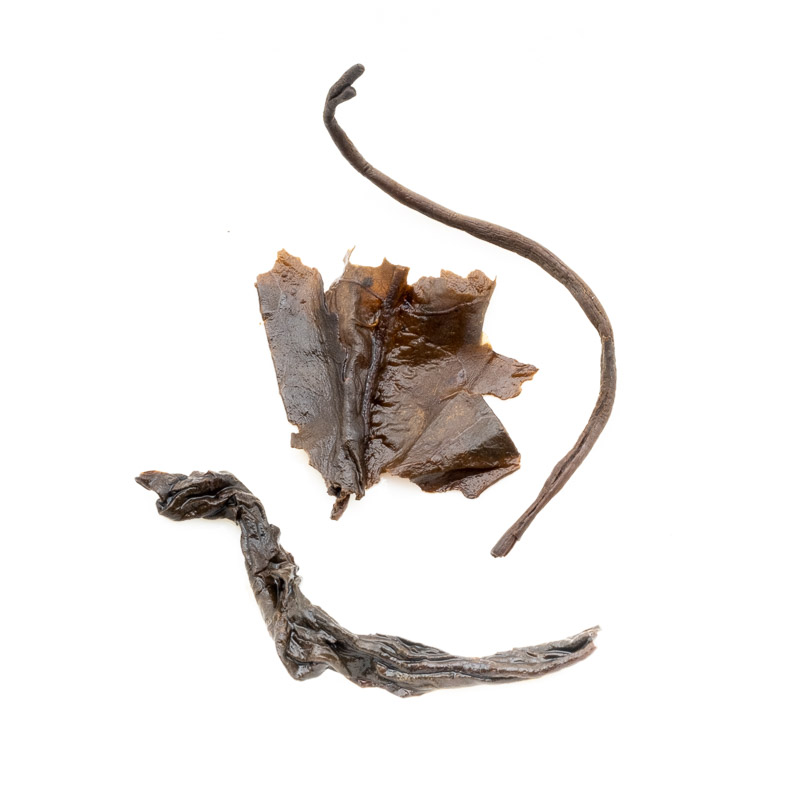
Although Tibetan tea is dark tea, it is quite different from Pu’er tea, especially Shu/Ripe Pu’er. The main difference lies in the selection of raw materials. In addition to the difference that Shu Pu’er is made from Yunnan large leaf species, Tibetan tea is made from Sichuan old chuan cha cultivar. Traditionally, Tibetan tea is mixed with tea leaves, red moss (direct translation of Chinese indicating the current year’s mature stem there’s a photo in the ppt), tea stems, camellias, and tea fruits from the mature tea trees (we call this using “whole plant”全株). While Pu’er uses just leaves. So Tibetan tea production can actually use more raw materials from one tree, and the picking season lasts longer.
Since the picking period of Tibetan tea is mainly in summer and autumn, sufficient photosynthesis and the blending of the whole plant have resulted in Tibetan tea with high material saturation and rich content. Research data now available confirms that there are more than 500 substances in Tibetan tea that are beneficial to the human body, among them, dietary fiber, trace elements, and metabolite enzymes that help break down fat molecules. Combining these unique components with Yak Butter, has proven to be a nutritional super drink for the Tibetans over the centuries – enough so that it’s even shaped the naming of the Sichuanese tea itself.
RECOMMENDED GONG FU BREWING:
7-7.5g tea to 150ml water
1st brew: 100C, 30 sec
2nd brew: 100C, 15-20 sec
3rd+: 100C, add 15-20 sec each time
Can be brewed more than 8 times; can also be boiled with 1:200 ratio in max.20mins